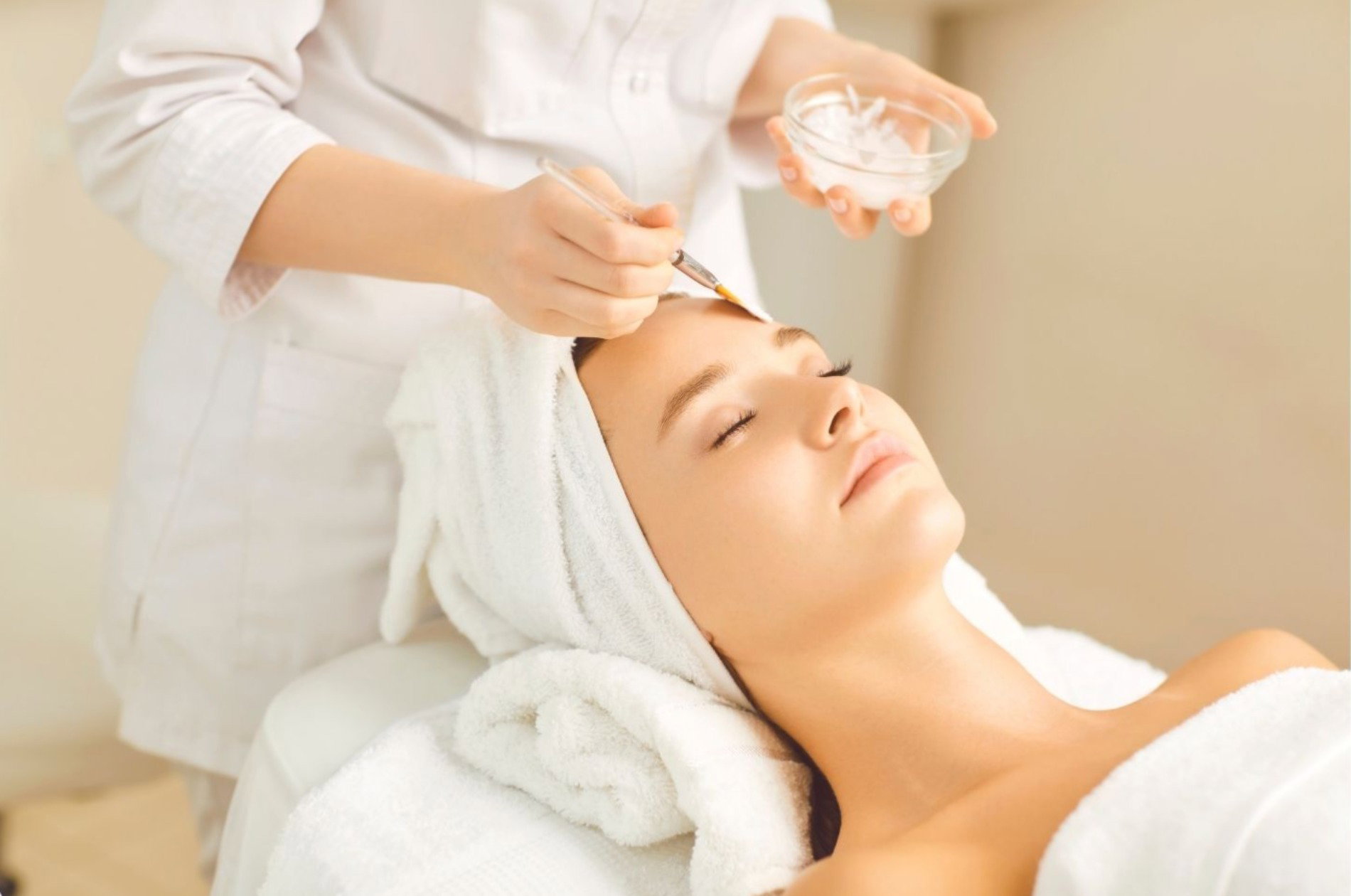
Reveal healthier-looking, brighter, smoother skin. At Magnolia Aesthetics & Wellness, our professional chemical peels target concerns ranging from blemishes and uneven pigmentation to sun damage, fine lines, and rough texture. Each treatment is selected based on your skin type, goals, and recovery needs.
ALL chemical peels include professional home care. For most peels, we recommend a series of three treatments for progressive results. Call for package pricing. Individual results vary.
VI PEEL COLLECTION
Best for: melasma, stubborn discoloration, sun spots, post-inflammatory pigmentation, and uneven tone
An advanced pigment-focused facial peel designed to visibly brighten discoloration and refine texture. Particularly useful for persistent or recurring dark spots.
Key ingredients / strengths: TCA, salicylic acid, retinoic acid, vitamin C, and pigment-targeting components with peptides; exact acid percentages are proprietary and should not be advertised as verified.
What to expect: Brighter tone and smoother texture may be apparent once peeling resolves (often 7–10 days); melasma generally needs repeated treatments, pigment management, and rigorous sun protection.
Best for: mature skin, fine lines, visible photoaging, dullness, and rough texture
A more intensive facial peel for visible signs of aging, uneven texture, and photodamage.
Key ingredients / strengths: TCA, retinoic acid, salicylic acid, phenol, and vitamin C; exact concentrations are proprietary.
What to expect: Radiance and texture may improve after one session; wrinkle and sun-damage improvement typically requires a series.
Best for: active breakouts, oily/congested skin, post-acne dark spots, and uneven skin tone
Combines an acne-directed approach with pigment correction to address both blemishes and the discoloration that follows them.
Key ingredients / strengths: TCA, salicylic acid, retinoic acid and pigment-focused ingredients with peptides; exact concentrations are proprietary.
What to expect: May reduce the appearance of congestion and improve texture after one peel; recurring acne and discoloration usually benefit from ongoing care.
VI BODY PEEL COLLECTION
Best for: localized body discoloration, dark marks, uneven texture, friction-related pigmentation
A targeted treatment for an area approximately the size of your palm. Potential sites include underarms, elbows, knees, inner thighs, and carefully selected external intimate skin such as the labia majora, following evaluation. Never used on mucosal surfaces.
Key ingredients / strengths: Proprietary body-resurfacing blend including exfoliating acids and skin-conditioning ingredients such as allantoin and aloe; exact acid percentages are not publicly confirmed.
What to expect: Softness, clarity and tone may improve after one session, with darker marks often needing several treatments. Body peeling may start later and last longer than facial peeling.
Best for: larger areas of uneven tone, body breakouts, sun damage, and roughness
Treats a larger surface such as the back, shoulders, chest, arms, or legs. Final treatment area is confirmed at consultation.
Key ingredients / strengths: The VI Body Peel proprietary acid-based formulation, with skin-conditioning support; exact percentages are not publicly confirmed.
What to expect: A smoother and brighter appearance may be visible after one peel; persistent discoloration may need a series of 3–6 sessions.
PCA SKIN PROFESSIONAL PEELS
Best for: visible aging, fine lines, rough skin, uneven tone and sun damage
A more intensive PCA resurfacing option designed to refine texture and improve the appearance of photoaging.
Key ingredients / strengths: 24% lactic acid, 10% TCA, plus antioxidant ingredients including alpha-lipoic acid, emblica, and silymarin.
What to expect: A smoother, brighter appearance can follow the first treatment. More meaningful changes in fine lines and discoloration usually require multiple sessions.
Best for: sensitive skin, mild uneven tone, early signs of aging, and first-time peel clients
A gentler formulation for improving radiance and surface texture while considering sensitivity. Skin must still be evaluated for active irritation or barrier disruption.
Key ingredients / strengths: 12% lactic acid and 6% TCA, plus supporting antioxidants.
What to expect: In a published study of 32 women, improvements were assessed after three monthly Sensi Peel treatments; the reported results should not be presented as single-session outcomes.
Best for: melasma, post-acne marks, sun spots and uneven pigmentation
A targeted pigment-correcting peel combining exfoliation and tranexamic acid to address visible discoloration.
Key ingredients / strengths: 16% lactic acid, 8% mandelic acid, 4% pyruvic acid, 1% tranexamic acid, and milk thistle extract.
What to expect: Manufacturer-reported data describe a 17% reduction in visible discoloration after a single treatment, with results as early as seven days. This is not a guaranteed individual result.
Best for: acne-prone or oily skin, blackheads, clogged pores and recurring breakouts
A clarifying peel aimed at oil, congestion and blemish-prone texture.
Key ingredients / strengths: Acne-directed exfoliating acids, reportedly including salicylic and lactic acids. Exact current formula and percentages should be verified against PCA Skin professional product labeling before publishing.
What to expect: Skin may feel smoother and look less congested following one treatment; persistent acne generally requires a treatment plan and home care.
Best for: new peel clients, mild dullness, uneven texture and those seeking minimal visible downtime
A gentle professional exfoliating treatment intended to refresh the complexion with little or no obvious flaking, though mild dryness can still occur.
Key ingredients / strengths: 15% lactic acid, 10% gluconolactone (PHA), 2% salicylic acid, with arginine and supportive ingredients.
What to expect: Brighter-looking, smoother skin may be noticeable after one session; visible peeling is often minimal but not impossible.
ADVANCED PIGMENT-CORRECTING SYSTEM
Best for: persistent melasma and hormone-related pigmentation, sun spots, age spots, post-inflammatory hyperpigmentation (including dark marks left by acne), blotchy or uneven skin tone, and stubborn discoloration that has not responded sufficiently to everyday skincare.
Our Complexion Code Plus Pigmentation Correction Program is an advanced, professional depigmentation treatment designed to improve the appearance of stubborn dark spots and restore a clearer, more luminous, even-looking complexion. It begins with an in-office application of the Surplexion Complexion Code Mask, followed by a coordinated, four-product skincare system for home use. This is much more than a single exfoliating peel: the professional treatment encourages skin renewal and helps address excess pigmentation, while the ongoing home-care regimen is specifically formulated to continue pigment correction, nourish recovering skin, and protect against UV exposure that can trigger recurrent dark spots.
How it works: The professional Complexion Code Mask combines multiple pigment-targeting and exfoliating ingredients, including salicylic acid, tranexamic acid, azelaic acid, arbutin, ascorbic acid (vitamin C), ferulic acid, kojic acid, and phytic acid. These ingredients work through complementary pathways to promote exfoliation, improve the appearance of uneven pigment, and provide antioxidant support. The manufacturer does not publish verified percentages for each ingredient in the professional mask.
Your complete four-product take-home system (included in the $1,250 price):
- Hydra Gel Cleanser — cleanses the skin gently as part of the daily regimen.
- Complexion Code Plus — a targeted brightening and depigmentation cream containing ingredients such as tranexamic, azelaic, mandelic, kojic and phytic acids, plus retinyl propionate and antioxidant ingredients; helps address persistent dark spots and support skin renewal.
- Moisturizer Code Plus — replenishes hydration and helps support comfort and the skin barrier during the program.
- Total Code Protection SPF 50+ — daily sun protection to help prevent UV-triggered worsening and recurrence of visible pigmentation.
What results can you expect? Clients may notice smoother texture, improved radiance, and gradual fading of superficial discoloration as the skin recovers and the home-care regimen continues. Deeper or hormonally driven melasma often needs ongoing maintenance and strict sun protection; results vary and pigment can recur. Temporary redness, tightness, dryness, sensitivity, and peeling may occur. The in-office mask may need to remain on the skin for a professionally determined period before removal at home, so it is important to follow your exact individualized instructions.
What makes this program different? The professional mask and four matching home-care products are designed as one coordinated system, rather than unrelated products chosen after a peel. A consultation is required to determine suitability and review your skin type, pregnancy status, medications, and current skincare. This is a single in-office treatment with a complete home-care system—not an automatic series of three peels. Avoid direct sun during the recovery period and maintain diligent sun protection afterward.
ADVANCED MEDICAL RESURFACING
Best for: selected clients with advanced photoaging, pronounced wrinkles, coarse texture and certain acne scars
An advanced professional-strength phenol/TCA resurfacing peel requiring medical assessment, appropriate safeguards and extended recovery. Not appropriate for all skin types or medical histories.
Key ingredients / strengths: 35% trichloroacetic acid (TCA) and 10% phenol; other supportive formula components may include shikimic acid, caffeic acid and arginine.
What to expect: More pronounced redness and peeling; healing can exceed 7–14 days and residual redness may last longer. It is not part of a routine three-peel series; manufacturer guidance specifies no more than two treatments annually, separated by at least six months.
IS A CHEMICAL PEEL RIGHT FOR YOU?
You may be a good candidate if your concerns include:
- Sun damage, uneven pigmentation, melasma or post-acne dark spots
- Acne, enlarged-appearing or congested pores, or excess oil
- Dull, rough, textured skin or early visible signs of aging
- Selected areas of body discoloration or superficial textural concerns
- Ability to follow individualized aftercare and avoid direct sun exposure
A peel may need to be delayed, modified or avoided with:
- Active sunburn, recent tanning, broken skin, infection or herpes outbreak at the site
- Active dermatitis, eczema flare or a significantly impaired skin barrier
- Pregnancy or breastfeeding, depending on peel ingredients and clinical guidance
- Known allergy to ingredients, history of poor wound healing or abnormal scarring
- Recent lasers, aggressive exfoliation, waxing, or medications affecting skin healing
- Isotretinoin use, which requires procedure-specific clinical review, or medical conditions that increase risk
People with darker skin tones may benefit from carefully selected peels, but individualized preparation and protection are important to reduce post-inflammatory hyperpigmentation risk.
BEFORE YOUR PEEL
- About 5–7 days before: Stop topical retinoids (including retinol, tretinoin, and adapalene) on the treatment area unless your clinician gives different instructions.
- About 5–7 days before: Pause exfoliating acids (AHA/BHA), scrubs, at-home peel pads, and waxing or dermaplaning.
- For 1–2 weeks before: Avoid tanning beds, deliberate tanning, and sunburn.
- Disclose prescriptions, acne medications, skin treatments, allergies, pregnancy status, cold-sore history, and recent procedures.
Certain peels require more extensive pretreatment. Do not stop a prescription medicine without guidance from the prescriber.
AFTER YOUR PEEL
- Plan to stay OUT OF DIRECT SUN for at least 5–7 days after your peel, and continue diligent sun protection throughout healing. Stronger peels, including phenTCA, require a longer recovery plan.
- Use only the recommended products in your included professional home-care kit.
- Never pick, rub, or pull peeling skin; allow it to shed naturally.
- Avoid retinoids, exfoliating acids, and abrasive skincare until your clinician clears you.
- Avoid heavy sweating, saunas, hot tubs and excess heat during initial healing as directed.
- When appropriate, use broad-spectrum SPF 30–50+, shade, protective clothing and a wide-brimmed hat.
- Contact your provider promptly for severe or increasing pain, blisters, pus, worsening redness, fever, or other unexpected symptoms.
HOW MUCH DOWNTIME SHOULD I EXPECT?
- PCA NoPeel and gentler PCA peels: Often minimal flaking, although redness or dryness may occur.
- More intensive PCA peels: Variable redness and peeling over several days.
- VI facial peels: Peeling frequently starts around day 2–3 and lasts about 5–7 days.
- VI Body Peel: Peeling may start later and last longer than on the face.
- Mesopeel MD phenTCA: More intensive healing; downtime may exceed 1–2 weeks.
WHY A SERIES OF THREE?
One peel may improve radiance and surface texture, but concerns such as stubborn pigmentation, acne marks, and visible photoaging often benefit from a structured series. We recommend three treatments for many of our peels, with exact timing based on your skin, the formulation, and your response. Mesopeel MD phenTCA follows a separate protocol and is not a standard three-treatment package.
All peels include professional home care. Please call for package pricing and a personalized consultation.